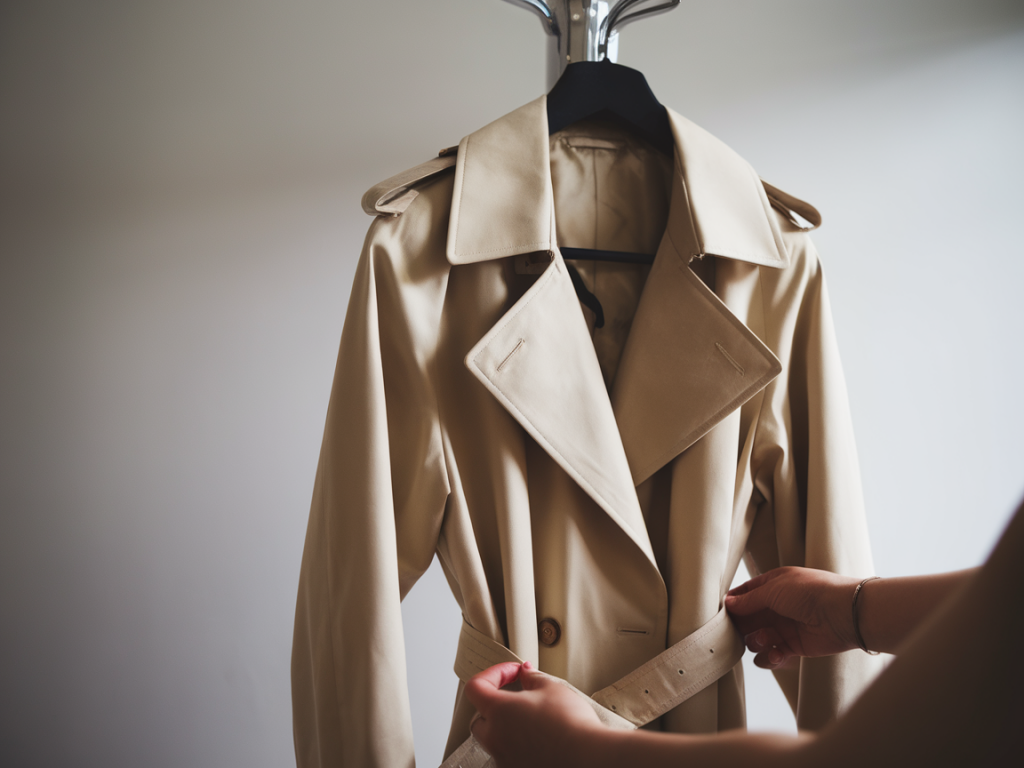
I’ve always believed a trench coat is one of those wardrobe pillars that can elevate everyday outfits, but it’s the lining that often determines whether a high-street trench feels luxurious or just... off. Over the years I’ve tested dozens of high-street trenches — from Zara and Mango to Marks & Spencer and Uniqlo — and one thing is clear: a good lining is worth paying a little extra for. It changes the way the coat sits, how it moves, how warm it is, and how long it lasts. In this post I’ll walk you through which linings are worth the investment, how to spot them on the shop floor or product description, and practical alterations you can do (or ask a tailor to do) to make a trench fit and function perfectly.
Why the lining matters more than you might think
When I first started refining my wardrobe, I focused on fabric and silhouette. I soon learned that the lining is the invisible hero. A good lining:
On high-street trenches, the lining is often where brands cut costs. So the question becomes: which linings are worth paying extra for, and which compromises are acceptable?
Best lining materials to look for (and why)
Here’s a practical guide to common lining types you’ll find on the high street and how they perform.
| Material | Pros | Cons | Good for |
|---|---|---|---|
| Bemberg (cupro) | Slick, breathable, drapes beautifully, feels luxurious | More expensive; needs delicate care | Trench you want to wear over dresses or silk blouses; year-round use |
| Polyester satin | Affordable, smooth, lightweight | Less breathable; can be slippery and static-prone | Everyday, budget-friendly trenches |
| Viscose/Acetate blend | Soft, good drape, more breathable than polyester | Can wrinkle; varies by quality | A mid-price option when you want better comfort without luxury price |
| Quilted / Fleece | Warm, cosy for cold climates | Bulkier; changes silhouette | Winter trenches intended for warmth |
From my experience, Bemberg (cupro) linings create the most “luxury” feel on high-street coats. They’re breathable, drape beautifully and don’t cling — which means your trench keeps a clean line whether you’re in knitwear or a tailored blazer underneath. Brands like Sandro, Maje and sometimes Zara or Mango’s higher-end lines will use cupro linings on particular styles.
How to spot a quality lining in-store and online
When you’re shopping, don’t just check the outer fabric. Turn the coat inside out if you can, or zoom into the lining in online photos. Look for:
On product pages, avoid the temptation to judge only by price. Some mid-market brands (Marks & Spencer’s Autograph line, COS) will use better linings than fast-fashion coats with a higher price tag due to fabric choices.
Which high-street trenches are worth paying extra for
Based on my tests, here are high-street options where the lining justifies a slightly higher spend:
If you’re choosing between two trenches of similar outer fabric, I’ll usually pick the one with the better lining every time. It’s the difference between “nice” and “classic.”
Altering the lining for a perfect fit — what you can do
A tailored trench is transformational. If the outer shell fits but the lining pulls, puckers or creates bulk, alterations can fix that without replacing the coat. Here are practical changes I’ve made or recommended to readers.
Tip: always ask for a trial fitting after any major lining alteration — linings affect how the outer fabric hangs, so small tweaks may be needed.
Simple DIY tweaks you can try at home
If you’re handy with a needle, there are small fixes you can do yourself:
These small tactics can make a budget trench feel much smarter without a big bill.
The final fit test — what to check once alterations are done
After alterations, I always run through a checklist to make sure the coat behaves well in real life:
If the answer is no to any of these, a brief follow-up with your tailor usually fixes it.
Ultimately, linings are one of those details that repay attention. Spend a bit more on a quality lining or a sensible reline, and your high-street trench will look and feel far more expensive — and last longer. If you’d like, I can walk you through whether a particular trench you’re eyeing is worth relining, or suggest local tailoring questions to ask when you take a coat in for alteration.