I’ve been experimenting with low-waste beauty and cleaning for years, and one of my favourite discoveries is how versatile and economical soap can be when you choose to fabriquer son propre savon noir naturel. Making your own black soap isn’t just satisfying — it’s a way to control ingredients, reduce packaging, and create a multi-use product you’ll reach for again and again, from face-care to household cleaning.
What is savon noir (black soap) and why make it myself?
Savon noir, sometimes called African black soap or Moroccan black soap (savon noir beldi), exists in a few regional variations. Generally, it’s a dark, paste-like soap made from plant oils (olive oil is common) and an alkaline extract (traditionally potash derived from wood ashes, or commercially as potassium hydroxide). The result is a concentrated, gentle, and biodegradable cleaner.
When I decide to fabriquer son propre savon noir naturel, I’m after several things: transparency about ingredients, reduced plastic waste, economy, and a single product that cleans skin, surfaces, laundry stains and even garden tools. Making it at home also lets me tweak scent and consistency — I can leave it fragrance-free for sensitive skin or add a splash of essential oil for a fresh aroma.
Safety first: what to know before you start
There are two common approaches: a traditional ash-and-oil method (safer in that stepwise ash leaching is gentler) and a modern cold-process method using potassium hydroxide (KOH). Both require respect for alkalinity.
- Wear protection: goggles, gloves and long sleeves when handling lye (KOH) or very hot liquids.
- Work in a ventilated space and keep children and pets away from the workspace.
- Measure carefully: accurate scales and thermometers make the difference between a successful batch and an unusable one.
- Cure time: some recipes (especially ash-based) ferment or age; follow timings so the soap is mild and stable.
My simple, practical recipe to fabriquer son propre savon noir naturel
This is a balanced, small-batch recipe using KOH for reliability. It makes a paste similar to store-bought black soap — great for cleaning and skincare when diluted.
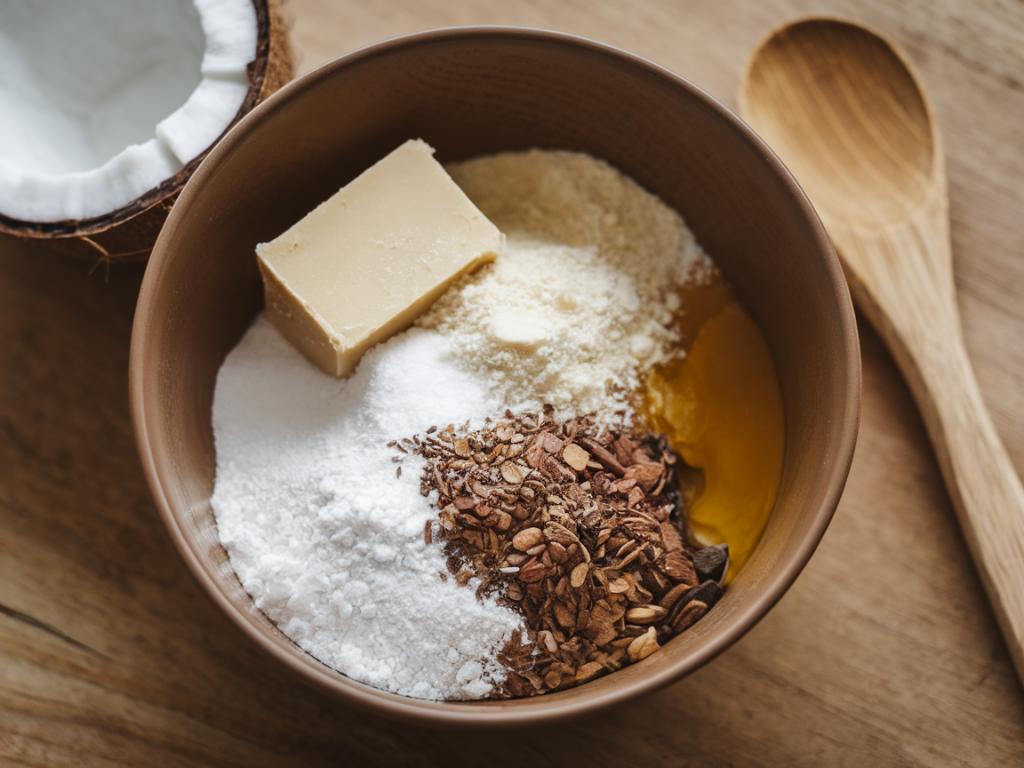
| Ingredient | Amount |
| Olive oil (extra virgin or pure) | 500 g |
| Coconut oil (optional, for extra cleansing) | 100 g |
| Potassium hydroxide (KOH) 90% | 115 g (adjust with a lye calculator for exact ratios) |
| Distilled water | 320 g |
| Black olive paste or cocoa powder (optional for colour) | 1–2 tbsp |
| Essential oils (lavender, eucalyptus) optional | 10–20 drops |
Notes: I always double-check my lye amounts with a reliable soap calculator — oils vary, and the exact percentage of KOH matters. If you want to follow a truly traditional method, you can substitute the KOH water with ash lye made from hardwood ashes, but the process is longer and yields vary.
Step-by-step: how I make it
- Prepare: lay out goggles, gloves, a stainless steel or enamel pot, a heatproof jug, wooden spoons and a kitchen scale.
- Mix lye solution: carefully add KOH to the distilled water (never the other way around) and stir until dissolved. The solution will heat up. Let it cool to around 40–50°C.
- Heat oils: gently warm the olive and coconut oils to a similar temperature (40–50°C).
- Combine: slowly pour the lye solution into the oils while stirring. Use an immersion blender sparingly to bring the mixture to “trace” (thickened state).
- Cook/paste phase: transfer to a low heat pot and cook gently, stirring occasionally. The mixture will go through stages — from thick to translucent to a jelly-like paste. This can take 1–3 hours depending on heat.
- Additions: once the paste forms and water content reduces, stir in black olive paste or cocoa for colour and essential oils if desired.
- Rest: let the soap cool and rest in a sealed container. It will remain paste-like. For household use dilute 1–2 tbsp of paste in a litre of hot water to make a liquid cleaner; for skin use dilute more and patch-test.
Uses and dosages I rely on
One of the joys of black soap is how many roles it can play. Here are tried-and-tested uses I rotate through:
- Face cleanser: dilute 1 part paste to 12–15 parts water, only if your skin tolerates alkaline cleansers. I prefer it as a pre-cleanse for oily areas or as a spot treatment.
- Body scrub (as a base for hammam routine): mix with sugar or salt for a gentle exfoliant.
- Surface cleaner: 1–2 tbsp paste to 1 litre hot water for floors, tiles and counters.
- Laundry stain remover: apply concentrated paste to grease stains before washing; rinse thoroughly.
- Garden tools and pots: dilute and spray to remove grime; it’s biodegradable so safe for outdoor use.
Troubleshooting and tips from experience
- Too runny: keep cooking longer on low heat — water needs to evaporate until the paste thickens.
- Grainy texture: sometimes caused by uneven heat or too-rapid blending; gentle, steady heat helps.
- Strong smell: fresh KOH mixes can smell sharp; ageing and adding gentle essential oils (lavender, citrus peel) softens the scent.
- Skin sensitivity: always patch-test. If you have very reactive skin, use soap-based products sparingly or opt for olive-only batches with a longer cure time.
Where I source ingredients and eco considerations
I try to use high-quality, simple oils and to buy ingredients in bulk to reduce packaging. For olive oil, I often choose a pantry-grade extra virgin that I’d also cook with — it’s more sustainable to use multipurpose goods. KOH is available from soap suppliers; check the purity and safety datasheets. For an even greener route, consider gathering hardwood ashes for traditional potash, though this takes more time and testing.
Making your own savon noir is inherently more sustainable than buying imported, heavily packaged alternatives. Yet I still recommend responsible sourcing: fair-trade oils, local suppliers, and avoiding synthetic fragrances when possible.
Variations I enjoy
- Fragrance-free for sensitive skin: omit essential oils and use only olive oil.
- Extra cleansing: increase coconut oil slightly for more foaming (but don’t go overboard — it can be drying for skin).
- Herbal infusions: steep chamomile or rosemary in the oil before soapmaking for subtle botanicals.
Fabriquer son propre savon noir naturel has been one of those small, empowering rituals that fits with my broader approach to beauty and style: thoughtful, sustainable choices that feel effortless once you have the basics. Whether you want a cleaner home routine or a simple, multi-use skincare staple, making this soap at home gives you control, creativity and a little satisfaction every time you dilute a spoonful into hot water and watch it transform.