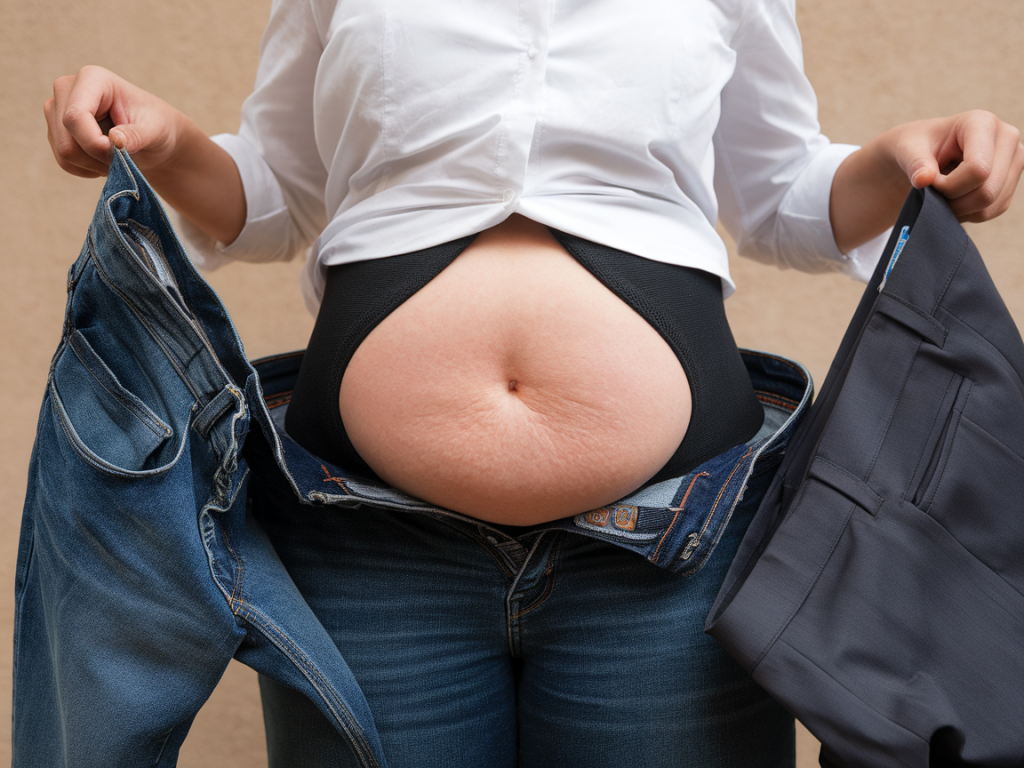
I used to avoid my favourite pair of trousers because the waistband would bulge under tucked tops, making an otherwise polished outfit look lumpy and uncomfortable. After experimenting with tailoring, shapewear and a few clever tricks, I found three invisible fixes that genuinely stop a bulging waistband from ruining jeans and trousers — and they work without signalling that you've fiddled with anything. Below I share what I do, how to DIY or ask a tailor, and why each option may be the right one for different bodies and fabrics.
The invisible tailor tweak: add a hidden take-in or elastic insert
When a waistband bulges, the issue is often a small gap or the way the waistband sits against the body rather than the whole garment being the wrong size. A discreet tailor adjustment is my go-to when I love the cut and fabric of a piece but it doesn't sit perfectly at the waist.
Two subtle tailoring options I recommend:
If you DIY, use small, even stitches and test the new fit before closing everything up. I thread a safety pin through a 5–8cm length of 1–2cm wide elastic and pull it into a waistband channel — just enough to create a bit of “give” that smooths the bulge without cinching too tight.
Lightweight smoothing layers: keep it breathable and invisible
Shapewear has a bad rep for being restrictive, but the right piece can be a wardrobe saver. I always choose thin, breathable styles that sit below my jeans waistband (or just at it) so there’s no extra seam or fabric showing.
Options I reach for:
What I love about this approach is how instant it is: you put on the shapewear, then your trousers, and the silhouette is clean. Choose neutral colours or nude shades close to your skin; black or dark pieces can sometimes show through lighter fabrics.
Grip and anchoring: keep tuck and top in place without bulk
Sometimes bulging is caused by the top slipping or bunching inside the waistband rather than the trousers themselves. I spend a lot of time experimenting with small, nearly invisible anchors that stop the fabric from creating a roll under the waistband.
These anchoring methods are light, breathable and don’t add visible bulk. They’re particularly useful when you want to tuck knits or lightweight blouses into jeans without the top sliding around.
Quick comparison table: which fix for which problem?
| Problem | Best invisible fix | Why it works |
|---|---|---|
| Gaping at back or sides | Hidden take-in or elastic insert | Removes excess fabric and creates contour; permanent solution |
| Soft tummy bulge showing | Low-rise shaping briefs or smoothing shorts | Evenly smooths the area without compressing too high |
| Top bunching / moving under waistband | Silicone strip or fashion tape | Anchors fabric to the waistband; quick and invisible |
Fit and fabric: don’t forget the basics
All three invisible fixes are great, but they work best when paired with sensible choices. I always check:
When shopping, I look for trousers with a contoured or lightly shaped waistband (brands like Levi’s Curve ID or M&S Autograph have good options), which reduce gaping without extra fittings.
Small alterations, big payoff
I’ve found that a tiny stitch or a discreet piece of elastic can rescue a pair of trousers I love. If you’re unsure, ask a good local tailor to show you the options — they often have neat, invisible solutions and can do the work quickly for a small fee. And for days when I don’t want to alter anything permanently, low-profile shapewear plus a strip of fashion tape is my reliable, invisible combo.
If you want, tell me what type of trousers you’re fighting with — jeans, linen trousers, tailored trousers? — and I’ll suggest the precise approach I’d try first and what to ask your tailor for.