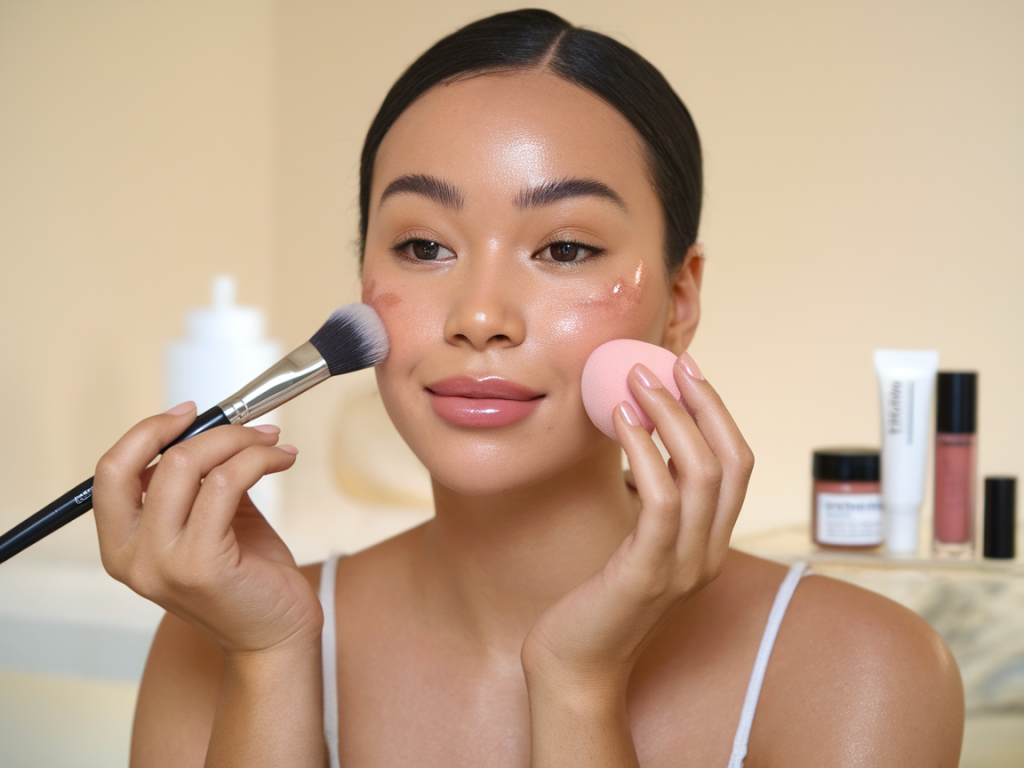
I used to think great makeup started at the makeup counter. Over the years I’ve realised the real secret is what happens before you even reach for a foundation brush. Skincare that preps, hydrates and blurs the skin makes makeup sit better, look fresher and last longer — and it doesn’t have to be complicated. Below I share the simple morning and evening routines I follow, the reasoning behind each step, and a few product favourites that actually make a difference (without breaking the bank).
Why skincare matters for makeup
Makeup interacts with the skin’s surface: dry patches, excess oil, and texture all change how foundation, concealer and powders behave. Good skincare creates an even, hydrated canvas so foundation blends seamlessly, powder doesn’t cling to dry spots, and primer and setting sprays perform as intended. I aim for routines that balance hydration, gentle exfoliation and barrier support — the three things that make makeup look like skin.
My morning routine: quick, effective and makeup-ready
My morning routine takes under ten minutes most days and focuses on hydration and light protection. When I have more time, I layer in targeted products, but the essentials below are what I never skip.
I start with a gentle cleanser to remove overnight oils and any product residue. For most skin types a mild, non-stripping gel or cream cleanser works best. My pick: CeraVe Hydrating Cleanser — it lifts away impurities without leaving skin tight.
Exfoliation smooths texture and helps makeup sit evenly. I alternate between a physical micro-exfoliant and a chemical exfoliant depending on how my skin feels. Paula’s Choice 2% BHA Liquid Exfoliant is a weekly staple for keeping pores clear; on busy mornings I’ll use a polish like Dermalogica Daily Microfoliant for a quick buff.
This is optional but transformative. A hydrating toner / essence adds a layer of moisture that plumps the skin and helps foundation glide. I love Hada Labo Gokujyun Lotion for its hyaluronic acid boost without stickiness.
A lightweight hyaluronic acid serum is my go-to because it gives immediate plumpness. When my skin is sensitive I switch to a niacinamide serum to control redness and oil. The Ordinary Hyaluronic Acid 2% + B5 is a purse-friendly favourite.
A good moisturiser is non-negotiable. For daytime I choose something that sits under makeup well — not too heavy, not too oily. I tend to reach for Embryolisse Lait-Crème Concentré or a gel-cream if it’s warmer.
Primer bridges skincare and makeup. If I’m after longer wear or a smoother finish, I use a silicone-based primer to blur fine lines or a hydrating primer if my skin needs dew. Smashbox Photo Finish is classic; for a more natural finish I like Milk Makeup Hydro Grip.
Sun protection is the most important anti-ageing step and also prevents makeup from breaking down unevenly across the face. I use an SPF 30+ mineral or chemical formula that doesn’t pill under makeup. La Roche-Posay Anthelios or Supergoop Unseen Sunscreen are two that play nicely with foundation.
Quick tips for makeup application after skincare
My evening routine: repair and reset
Evenings are for removing makeup properly and supporting skin renewal. This is when I give my skin active ingredients and richer hydration.
I start with an oil or balm cleanser to dissolve sunscreen and makeup — I love Banila Co Clean It Zero or KORA Organics Balm. Then I follow with my morning gentle cleanser to remove residue. This prevents clogged pores and ensures serums can penetrate.
Retinoids are brilliant for texture and collagen support but can be drying. I use a low-strength retinol 2–3 times a week, and on alternate nights I’ll use a mild AHA (like glycolic acid) if I need resurfacing. If you’re new to actives, start slowly and pair with barrier-friendly products.
In the evening I layer a hyaluronic acid serum and then a creamier night moisturiser to lock everything in. I often use a product with ceramides — CeraVe PM Facial Moisturising Lotion is a reliable nightly option.
I gently press an eye cream focusing on hydration rather than heavy lifting; a balmy lip mask overnight keeps lips smooth so concealer under the eyes doesn’t cake.
Products that genuinely help makeup look better
| Step | Product I use | Why |
| Cleanse | CeraVe Hydrating Cleanser | Non-stripping, leaves skin bouncy |
| Hydration | Hada Labo Gokujyun Lotion | Immediate plumping effect |
| Primer | Milk Hydro Grip | Hydrating, makes makeup adhere |
| SPF | La Roche-Posay Anthelios | Matte finish, no pilling |
Common questions I get
Q: My makeup creases in the lines around my mouth — what helps?
A: Hydration and a light silicone primer. Avoid heavy moisturisers that sit on top; instead use a hyaluronic serum and a thin layer of primer to fill fine lines before applying a lightweight foundation. Blot gently throughout the day instead of reapplying layers.
Q: I have oily T-zone — how can makeup still look natural?
A: Balance is key. Matte primers on the T-zone, hydrating primers elsewhere. Use oil-control sheets during the day and a long-wear, skin-like foundation (I like NARS Sheer Glow for balance) applied sparingly.
Q: My skin flakes under makeup — what should I change?
A: Stop exfoliating the day before important events and prioritise barrier repair: ceramides, gentle moisturisers and overnight nourishing masks. A cream-based or stick concealer can also sit better than powdery formulas.
Skincare doesn’t need to be an elaborate ritual to make a difference. With the right basic steps — cleanse, hydrate, protect, and repair — your makeup will look fresher, last longer and feel more comfortable. Over time, small consistent tweaks will transform how your makeup sits on your skin, and you’ll spend less time fixing and more time enjoying getting ready.