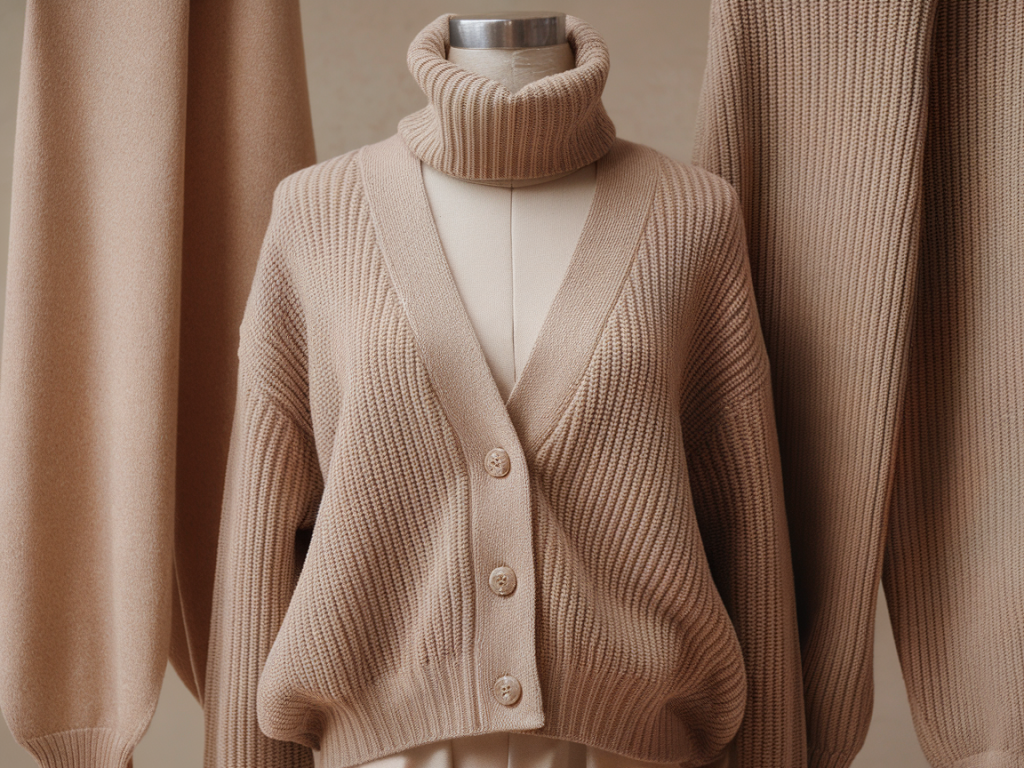
I used to avoid a lot of knitwear because of one persistent problem: it made me look wider and shapeless, even when the sweater was soft, cosy and otherwise perfect. Over the years I’ve tried everything — tucking, belting, layering — but the simplest, most transformative fix is a tiny tailoring tweak that you can do yourself or ask a tailor to perform. It keeps the sweater’s relaxed feel while creating subtle shaping that flatters your body instead of swallowing it.
The one tweak: an internal waist tape (a gentle, invisible cinch)
Instead of hacking away at seams or adding obvious darts, I sew a narrow piece of elastic or grosgrain ribbon along the inside of the sweater at the waist level, anchored into the side seams. The tape pulls the fabric in just enough to suggest a waistline without changing the garment’s intended relaxed silhouette. It’s invisible from the outside, reversible, quick, low-cost and works on almost any knit — chunky, fine-gauge, boxy, cropped or long.
I call it the internal waist tape, and it’s become my go-to solution for boxy jumpers and oversized knitwear that lack proportion. I first tried it on a chunky fisherman's knit I adored but would rarely wear because it looked like a cocoon. The tape made it feel intentional — still cosy but clearly designed to sit with more shape.
Why this works
What you’ll need
Step-by-step: DIY internal waist tape
Here’s the simple process I follow. It takes about 20–40 minutes depending on the sweater and how neat you want the finish.
When to choose elastic vs ribbon
When to see a tailor
If the jumper has complicated construction (panelling, seams in unusual places) or you’re working with very expensive knitwear — think cashmere by brands like Everlane, Naadam, or smaller artisan labels — I recommend a professional. A good tailor will replicate the internal tape method cleanly and can match thread and technique to the knit. Ask them to anchor the tape to the seam allowance and not to create external stitching.
How this compares to other fixes
| Method | Pros | Cons |
|---|---|---|
| Internal waist tape | Invisible, reversible, maintains drape, quick | Less dramatic shaping than full tailoring |
| Side-seam take-in | Permenant, can create more tailored silhouette | Irreversible, can alter drape, needs skill |
| Adding darts | Precise shaping | Visible exterior depending on knit, can distort pattern |
| Belting/tucking | No sewing, versatile | Can disrupt silhouette and bulk at waist |
Styling notes and outfit ideas
Once the jumper has a subtle waist, it becomes much easier to style. I love pairing a tape-altered chunky knit with:
For boxy cropped knits, shortening the tape a little more creates a flattering cropped proportion that pairs perfectly with high-rise jeans. For oversized boyfriend knits I keep the tension gentle to preserve the cosy feel but add a suggestion of waist to avoid a shapeless block.
What I tested and why it’s reliable
I’ve tried this tweak on more than twenty jumpers across different weights, yarns and brands — from Zara’s chunky knits to more delicate cashmere from smaller UK brands. The results were consistently flattering: the sweater looked less like a tent and more like an intentional piece of our outfit. The key is subtlety: the tape should guide the fabric, not force it into an unnatural shape.
If you’re new to altering clothes, start with an inexpensive or vintage sweater to practice. If you’re working on cashmere or a sentimental piece, practice the placement first with pins and test the tension before stitching. And if in doubt, a local tailor will do this quickly and affordably — it’s one of those small investments that makes an outfit feel curated rather than accidental.
If you want, I can walk you through the process for a particular jumper you own — tell me the fabric and style and I’ll suggest the ideal placement and tension.