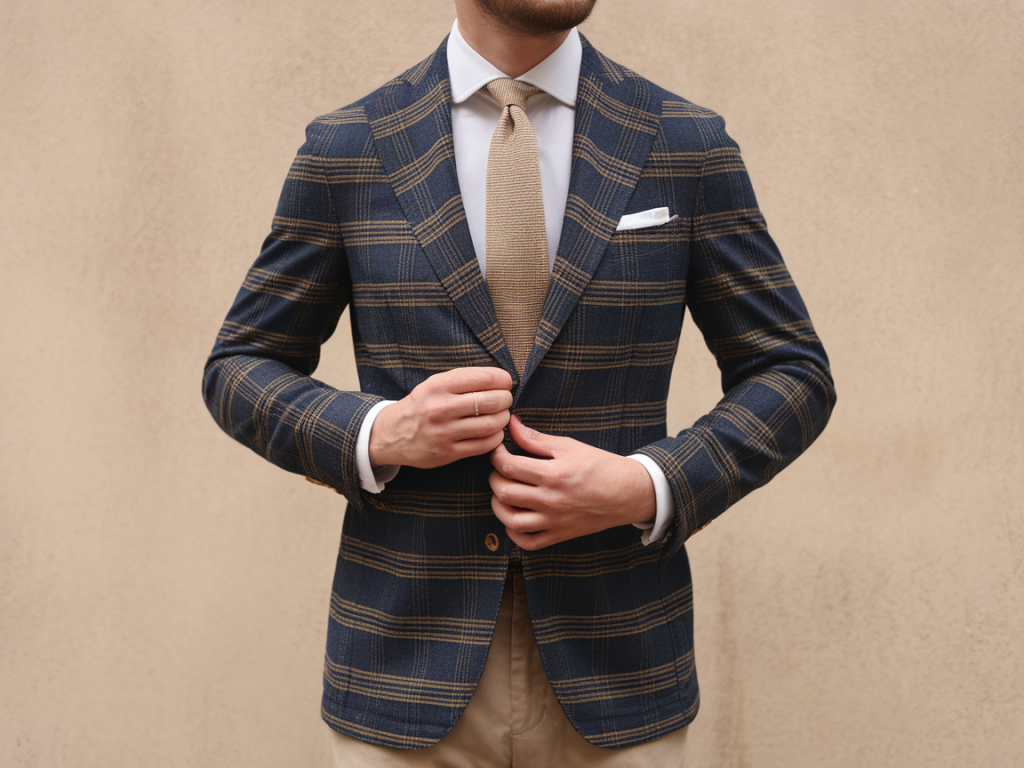
I have a soft spot for thrifted blazers — the little surprises in the shoulders, the vintage lining, that feeling of finding something no one else will wear. But very often the fit is just off: sleeves a touch too long, boxy in the waist, shoulders that look dated. Over the years I’ve learned a handful of small, inexpensive changes and pressing techniques that can make a second‑hand blazer read as if it were tailored, without ever needing a tailor. These are tricks I use on weekend finds and client pieces alike, and they’re all doable at home with minimal sewing skill and a modest toolkit.
What to look for before you buy a thrifted blazer
Before I bring a blazer home, I check three things that determine how well it will respond to minor adjustments:
If those three look good, you’ve probably got a winner. Next, these are the three small alterations I reach for most often.
Three small alterations that make the biggest difference
Often a blazer is boxy through the body. Taking in the side seams by 1–2cm per side (or more, depending on the garment) brings instant shape and flatters the proportion. You don’t need a sewing machine if you don’t have one — a few careful hand stitches can hold as well as a machine if reinforced with a small backstitch.
How I do it: I put the blazer on inside‑out (or have a friend help) and pinch the excess fabric at the side seams until the waist looks balanced. Mark with tailor’s chalk or safety pins. Take it off and press a crease along that line. Then sew a straight seam from armhole to hem, tapering into the existing seam at the top and bottom so it looks natural. Clip and finish with a small zigzag or a few hand whipstitches to reduce fraying.
Sleeves that swamp your hands age a blazer more than anything. Shortening sleeves can be done without removing the cuff or changing the lining if you use a simple hem fold technique.
How I do it: Decide the new sleeve length while wearing the blazer (I prefer a 1–2cm break at the wrist for a smart, slightly cropped look). Unpick the hem inside the sleeve just enough to let you fold; press a neat hem and hand‑stitch it in place using small slip stitches. For lined sleeves, I push the lining up, fold the outer fabric, then hand‑stitch through the lining to secure it invisibly. This keeps the original cuff shape and is reversible if you change your mind.
A small shoulder pad, or conversely removing an old pad, can change how a blazer sits. I prefer low‑profile pads (think: 3–5mm foam or Feltmates from Rowley’s) that create structure without making the shoulder look broad or dated.
How I do it: Slip the pad inside the shoulder bag (you can lift the lining a little at the armhole). Position it so the shoulder seam still aligns with your shoulder bone. If there’s a bulky old pad, I remove it with a seam ripper and replace with a thinner, shaped pad. If the blazer has excessive shoulder width, small inner tucks (1cm) just near the shoulder can remove the “slope” without altering sleeve set dramatically.
Pressing and steaming tricks that make alterations last
Alterations are only as good as the press that finishes them. Heat and steam are your best friends — they set new seams, open fabric fibres and make a blazer look crisp and expensive. A few tools I rely on:
| Tool | Why I use it |
| Hand steamer (eg. Polti, Philips) | Quickly relaxes fibres and removes wardrobe dents. |
| Tailor’s ham and sleeve board | Helps press curved areas (shoulder, sleeve cap) without flattening shape. |
| Pressing cloth & spray starch | Protects delicate fabrics; light starch gives a crisp, long‑lasting finish. |
| Iron with steam (eg. Rowenta DW series) | For sharp lapels and seams — use low heat for synthetics, wool setting for wool. |
I always steam a blazer on a hanger first to relax the fabric and remove wrinkles. Hold the steamer a few centimetres away and move vertically. For cotton or linen blazers, a spritz of diluted water or sizing (I like Mary Ellen’s Best Press for a subtle crisp finish) helps set a crisp silhouette.
When pressing sleeve caps, the shoulder seam and curved darts, use a tailor’s ham under the area so you preserve three‑dimensional shape. Press gently, don’t iron harshly — that will flatten the natural drape. A wooden clapper (or a heavy press cloth folded and tapped) helps set seams quickly for a long‑lasting crease.
For side seams you’ve altered, press them open first, then press flat so the seam lies clean. If you want extra permanence, a discreet topstitch (inside the blazer or along the seam allowance) prevents the seam from easing open after wear.
Small finishing touches that elevate the look
Quick FAQ — problems you’ll meet
I love the small wins: a thrifted blazer that suddenly hangs right, shoulders that sit where they should, sleeves that show a neat cuff. These tweaks keep the personality and savings of pre‑loved finds while giving them a tailored polish that lasts. If you want, I can walk through a specific blazer you’ve found — send photos of the shoulder seam, inside of the armhole and lining and I’ll suggest the best single alteration to start with.