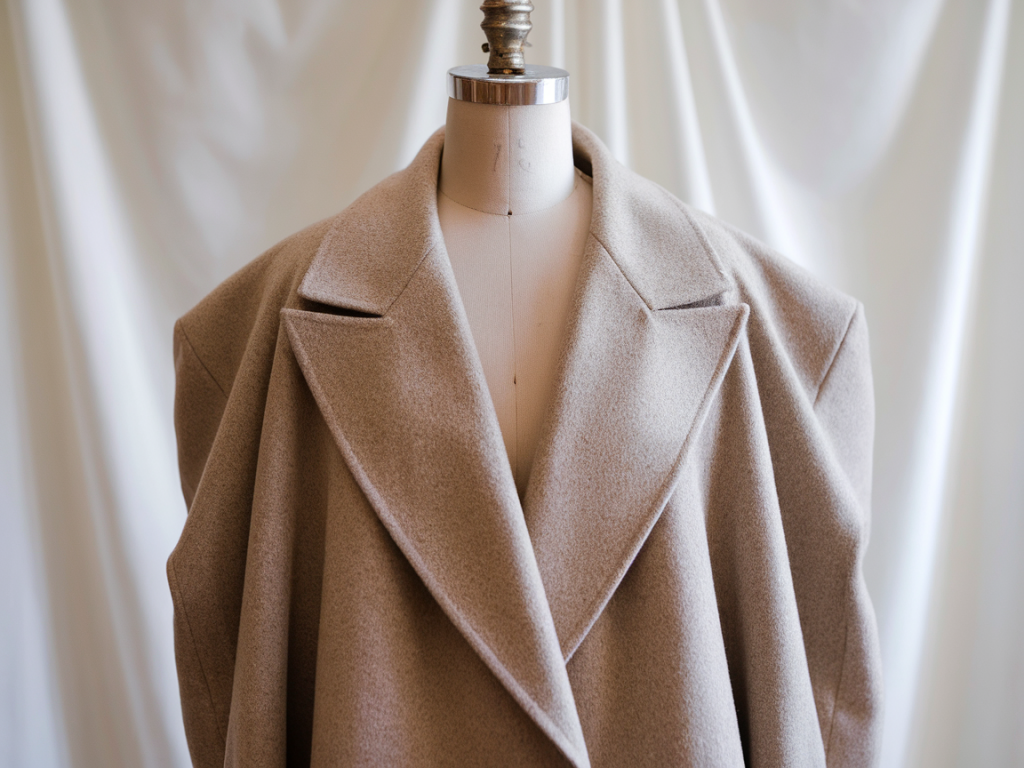
Wool coats are the workhorses of a British wardrobe — cosy, smart and endless in their outfit-making potential. But like any staple, a coat cut from the wrong era can start to look dated: boxy shoulders, overwhelming volume, or a skirted hem that drags the whole look back a decade. Over the years I've rescued more than a few unloved coats from charity shops and my own rail with three quick alterations that consistently bring them back to now. They're simple, usually affordable, and perfect for anyone who wants to keep a coat they love rather than buy new.
Why alter instead of replace?
Altering a wool coat is kinder to your wallet and the planet. A well-made coat can be refreshed to sit better with contemporary proportions — and often the fabric and construction are far superior to what you’d get at the high-street price point now. Plus, tailoring is a small creative act: it lets you nudge a silhouette into something more flattering without losing the coat’s character.
What to expect before you book a tailor
Before you hand over your coat, have an idea of the silhouette you want. Bring photos of coats you like (shop images or Instagram) and try your coat on with the layers you normally wear beneath it — that includes a knit or a blazer if you tend to layer. Good tailors are used to this and will advise what’s achievable based on the construction (canvas, lining, shoulder pads) and fabric weight. I always ask for a timeline and a written estimate — most quick alterations are done within a week.
Alteration 1: Fix the shoulders and sleeve hang (gives a modern, cleaner line)
Problem: Boxy shoulders or sleeves that pull and create fabric ripples across the chest are a classic sign of an older cut. They make the coat feel oversized and dated, even when it technically fits.
What the tailor does: The easiest fix is to reshape the sleeve head and remove or reduce shoulder pads. This can involve unpicking the sleeve, reshaping the sleeve cap, adjusting the armhole and reattaching the sleeve so it sits closer to the body. If the coat had big, square shoulder pads added in a previous era, removing them instantly softens the silhouette.
Why it helps: A smoother sleeve-to-shoulder transition and reduced padding let the coat follow your natural shoulder line. The result looks tailored and modern, even on heavier fabrics like boiled wool or Melton.
Time & typical cost: 1–2 hours; roughly £25–£60 depending on complexity.
Alteration 2: Take in the body or add subtle darts (for proportion and waist definition)
Problem: A straight, boxy body lacks shape and can drown your frame. Conversely, an overly full coat that swings from the shoulders can feel old-fashioned.
What the tailor does: There are two common options. The first is taking in side seams — a clean solution if there’s enough seam allowance. The second is adding darts or princess seams to reintroduce shape without making the coat clingy. Some coats also allow for a small waist seam to be reprofiled for a more defined silhouette. If you favour a relaxed silhouette but want some neatness, request a soft waist nip rather than full tailoring.
Why it helps: Defining the waist and removing excess volume updates the coat’s proportions so it looks intentional rather than shapeless. This is particularly effective on mid-length and long coats where proportion (shoulder-to-hem ratio) is everything.
Time & typical cost: 1–3 hours; roughly £30–£80 depending on whether the lining also needs alteration.
Alteration 3: Adjust length and vents (refines drape and movement)
Problem: Hem length and vent placement can date a coat fast. A too-long hem or an outdated flared skirt can look heavy; conversely, short lengths can look juvenile on certain frames. Vents also influence how the coat moves — a central vent vs. side vents or no vent at all changes the silhouette dramatically.
What the tailor does: Shortening a coat by a few centimetres can instantly modernise it. Tailors will reattach the lining and adjust any topstitching. If your coat has an upright vent that restricts movement, changing to a single centre vent or adding a kick pleat can improve the drape. For more dramatic updates, moving the buttons and reworking lapels (narrowing a wide lapel, for example) is possible but slightly more involved.
Why it helps: Even a 5cm shortening alters the coat’s visual weight and refreshes its proportions with your outfit — especially with ankle boots or cropped trousers that are very of-the-moment. Adjusting vents helps the coat sit flatter across the hips and allows for more elegant movement.
Time & typical cost: 1–3 hours; £25–£90 depending on lining and vent work.
Small updates that make a big difference (no heavy tailoring needed)
- Replace buttons: Swapping old plastic buttons for horn, metal or leather-covered ones changes the coat’s tone instantly. This is cheap and reversible.
- Remove or change epaulettes and belts: Removing chunky epaulettes or shortening an overly long belt keeps proportions balanced.
- Press and re-block: A professional steam and block can revive pile and drape, especially on boiled wool and felted finishes. It’s surprisingly transformative.
Quick cost comparison
| Alteration | Typical time | Estimated cost (UK) |
|---|---|---|
| Shoulder/sleeve reshaping | 1–2 hours | £25–£60 |
| Taking in body/adding darts | 1–3 hours | £30–£80 |
| Shortening hem/adjusting vents | 1–3 hours | £25–£90 |
Practical tips for a successful alteration
- Choose a tailor experienced with coats: A coat construction is different to a dress or jeans — look for reviews that mention outerwear or ask to see before/after pictures.
- Bring your usual layers: The tailor should fit the coat with the thickness of knitwear you normally wear underneath.
- Keep it subtle at first: Request a temporary or basting stitch for major changes so you can test the new silhouette for a day or two.
- Consider fabric and lining: Heavy Melton or felted wool behaves differently to a camel hair; sometimes the lining needs a separate tweak, which adds time and cost.
- Button placement matters: Moving buttons up or down by as little as 2–3cm can change the perceived waistline and modernise the look.
I’ve taken everything from bargain-bin duffle coats to cherished Max Mara-style investments through these three moves and the results are always worth it. If you’re unsure where to start, ask your tailor for a single test tweak — often the shoulders or a small nip at the waist is enough to make your coat feel like it belongs in your current wardrobe.