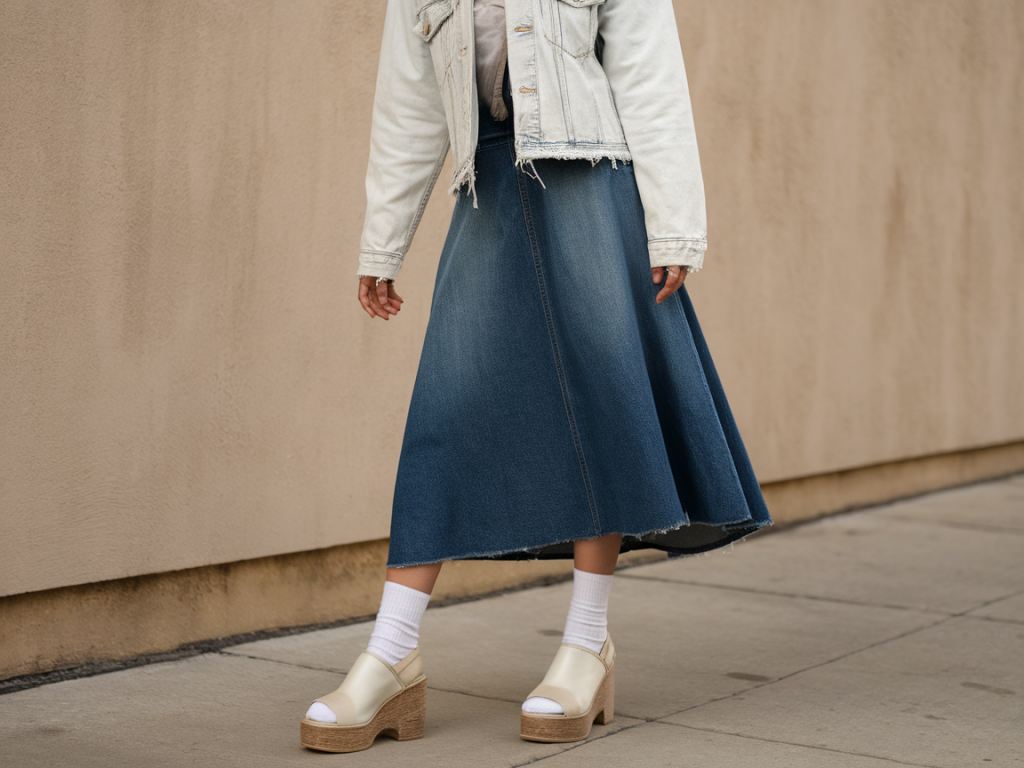
I still get a little thrill when I find a near-perfect pair of jeans in a charity shop — the fit is right, the wash is dreamy, and the price is so kind to my wallet and the planet. Over the years I’ve learned that great thrifted denim isn’t just luck: it’s about knowing what to look for, being prepared to make small tweaks, and treating a find with the right care so it looks fresh and intentional. Here’s my go-to approach for spotting quality denim and making secondhand pieces feel brand-new.
Why thrift denim is worth the hunt
Denim is one of the most repairable and wearable fabrics, which makes it perfect for secondhand shopping. High-quality jeans — particularly those made before the fast-fashion boom — were often constructed to last. That means solid hardware, better cuts and denser fabric that develops character rather than falling apart. Buying thrifted denim also reduces waste and keeps garments in circulation, which is one of the best things we can do for sustainable style.
What I look for in-store
When I’m rummaging through rails, I check a few things quickly. You can do these in less than a minute once you’ve practiced:
Waist and rise: Try on for the waist and the rise. Jeans can be tailored in the waist, but the rise (distance from crotch to waistband) defines the silhouette; if that’s off, the jeans won’t flatter no matter the alterations.Seams and stitching: Peek inside at the crotch seam, waistband and hem. Double-stitched seams and consistent, tight stitching are signs of well-made denim.Hardware: Check buttons, rivets and zips. Branded zips like YKK are a good sign — and heavy, secure buttons are easier to repair than cheap ones.Fabric weight: Heavier denim (10–14 oz and above) holds structure better and lasts longer. Lighter weights are fine for summer but tend to wear out faster.Signs of wear: Look for thinning at the knees and inner thighs, or holes near the pockets. Some wear can be charming; massive thinning is a red flag unless you plan to repair.Denim details that mean quality
Over time I’ve learned that certain manufacturing details predict how long a pair will last and how nice they’ll look after an edit:
Selvedge edge: Often visible inside the outseam when cuffed, selvedge denim indicates a specific loom and a generally higher quality. It’s not essential, but it’s a welcome bonus.Chain-stitched hem: A chain-stitched hem has a distinctive loop on the inside and gives a nice drape with a casual roll when cuffed.Button fly: Not inherently superior, but often found on older, sturdier jeans (think Levi’s 501s).Fabric origin: Labels like Japanese denim (e.g., Nihon Menpu mills) or American mills can indicate heavier, better-quality fabric.Quick reference: denim weights and uses
| Weight (oz) | Feel | Best uses |
| 8–10 oz | Light, soft | Summer jeans, high-comfort everyday wear |
| 11–13 oz | Medium, structured | All-rounder, good for most styles and longevity |
| 14+ oz | Heavy, rigid | Workwear, durable vintage styles, great for fades over time |
How I refresh and make thrifted denim look new
Once I’ve bought a pair, there are several simple steps I use to make them look intentional and polished.
Deep clean (but gently): I avoid machine washing the first time if the jeans are stiff and dry — instead I do a soak or a hand wash in cold water with a gentle detergent like Eucalan or Faith in Nature. For darker washes, add a splash of white vinegar to set the dye. Always air-dry flat or hang by the waistband to keep the shape.Remove stains carefully: For small marks, I use a diluted mix of mild detergent applied with a soft toothbrush. For grease, a little dish soap on the stain then rinse works wonders. Avoid bleach — it damages denim fibers unless you want a distressed look.Repair and reinforce: A tiny mend at the crotch or pocket can extend a pair for years. I keep a denim repair kit at home (needle, heavy-duty thread, and denim patches). For visible repairs I’ll either add a neat patch inside the pocket or use sashiko-style stitching to turn a mend into a feature — shops like Visible Mending sell great kits and tutorials.Reshape the hem: If the hem is frayed or uneven, I prefer to rehem cleanly. Take to a local tailor and ask for a blind hem or chain-stitched hem finish. It costs little and instantly elevates the jeans.Dye for uniformity: If the wash is patchy or faded in unwanted places, a single dye treatment can even the colour. I test a small area first and use a commercial denim dye (e.g., Dylon) carefully following the instructions.Steam and press: A steam iron on a medium setting brings thrifted denim to life. Pressing the seams and waistband makes the jeans look crisp and intentional — but make sure the iron isn’t too hot to avoid shine.Styling tips to make secondhand jeans look modern
How you style thrifted denim can transform it from ‘found’ to ‘curated’. Here are my favourite outfit ideas:
Balance proportions: Pair relaxed or wide-leg jeans with a fitted top or a cropped blazer to create a tailored silhouette. Conversely, slim jeans look great with oversized knitwear for contrast.Polish with accessories: A structured leather belt, smart boots (think Chelsea or a sleek ankle boot), and a tailored coat can elevate even the most casual pair of jeans.Layer thoughtfully: Tuck a crisp white shirt into high-rise jeans and add a longline coat for an instant modern classic look.Play with textures: Combine denim with silk, wool or suede to create visual interest and make the jeans feel considered.When to walk away
Not every pair is worth the price or the effort. I’ll pass if:
There’s irreparable damage in multiple areas (extensive holes, completely worn-through seat or knees).The rise is completely wrong and can’t be corrected without losing the silhouette.The fabric smells persistently of mildew or must, which can indicate long-term damage.Thrifting denim is partly skill, partly patience, and partly experimentation. With a little knowledge and a few tools, you can build a small collection of jeans that feel modern, last longer and tell a better story than anything new off a fast-fashion shelf.

