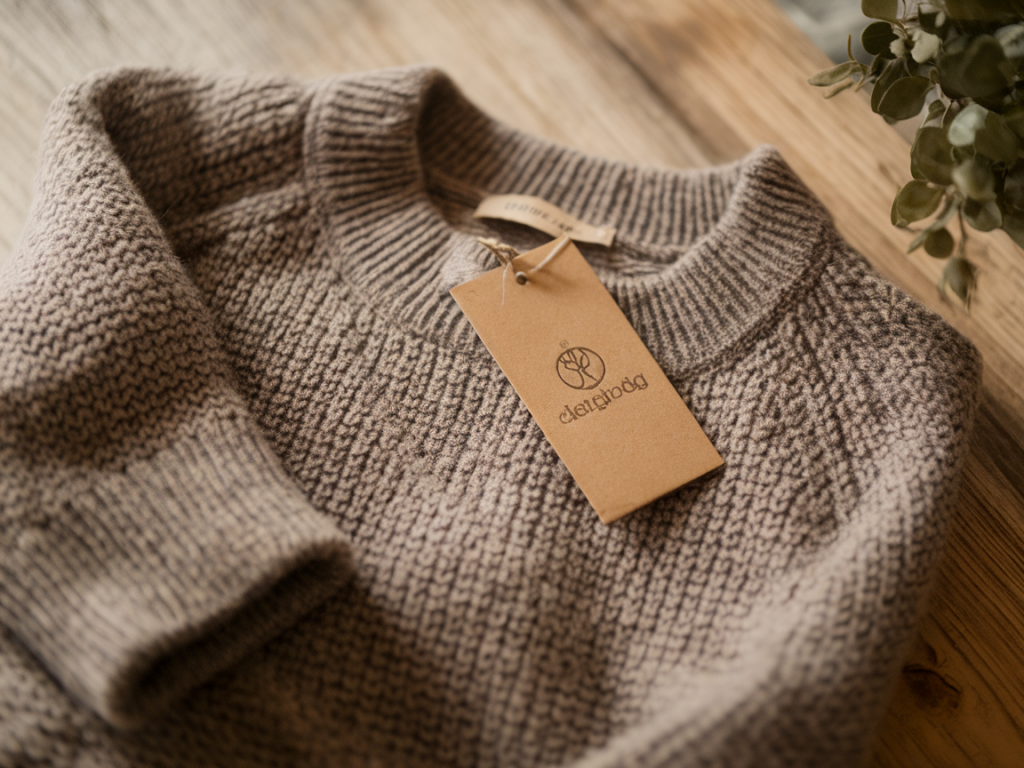
I love a good wool jumper. It’s one of those wardrobe pieces that can feel quietly luxurious, endlessly useful and — if you buy well — genuinely long-lasting. But “buying well” is tricky when brands use words like sustainable, responsibly sourced or recycled without telling you how the garment will actually behave after a few washes. So I did a simple, realistic home test: I bought a selection of sustainable wool jumpers from brands I respect, wore and washed each one ten times following the label instructions, and tracked how they looked, felt and whether they kept their shape.
Why this test matters (and how I did it)
Fast summary: people want jumpers that don’t shrink, stretch or pill into sad versions of themselves after just a couple of wears. Dry-clean-only pieces aren’t realistic for many of us, and hand-wash items can be fine — but only if they stay worth the effort.
My test was deliberately low-fi and realistic: these are how the jumpers will fare in a normal life, not in a lab. I bought five jumpers (sizes and colours varied), washed each one ten times at home or hand-washed according to the care label, and assessed them after wash 0, 5 and 10. My criteria were:
- Shape retention — did the jumper return to its original measurements? Did sleeves or hem stretch?
- Pilling — surface fuzziness and how easy it was to remove.
- Softness and hand — did it feel nicer, stiffer or rougher?
- Colour and finish — any obvious fading or change to knit texture.
- Practicality — how demanding was the care and how much time did it take?
I wore each jumper on similar days (commuting on foot, coffee, desk work, light travel) so the wear was comparable. Washing: most went on a gentle wool cycle at 30°C in a mesh bag with a mild wool detergent, except jumpers labelled hand-wash only, which I gently washed and rolled in a towel. All were dried flat on a rack.
The jumpers I tested
- Eileen Fisher — 100% organic or responsibly sourced merino (depending on the style).
- Arket — wool-blend relaxed jumper (typically mulesing-free wool sources in their materials info).
- Finisterre — British wool/sustainably sourced wool styles designed for durability.
- John Smedley — fine-gauge merino/sea island wool knit (longstanding focus on quality manufacturing).
- Naadam — responsible cashmere (I included this to compare cashmere performance vs. wool).
What I found — practical takeaways
| Brand | Material | Kept shape after 10 washes? | Notes |
|---|---|---|---|
| Eileen Fisher | Merino / wool blends | Yes (very well) | Minimal stretching, held hem and sleeve length well; softening without looking washed out. Pilled lightly but managed with a comb. |
| Arket | Wool blend | Mostly | Small amount of looseness at the hem after heavy wear but recovered when dry-shaped flat. Slight pilling on cuffs. |
| Finisterre | British wool blend | Yes | Sturdy texture, took washing well. A little change in hand (stiffer), which softened after a few wears. |
| John Smedley | Fine merino | Yes (excellent) | Held its fine-gauge shape with almost no change. Slight pill on inner sleeves but nothing that affected silhouette. |
| Naadam | Responsible cashmere | No (more delicate) | Stayed wearable but lost a little structure around the shoulders and showed more pills; best treated as a delicate item. |
My impressions of each brand (more detail)
Eileen Fisher — This one surprised me in the best way. It’s clearly designed for long wear: the knitting and finishing are strong and it handled machine gentle cycles without losing its proportions. The fabric softened beautifully but didn’t sag. If you’re after a low-maintenance, sustainable jumpershop that won’t disappoint after a season, EF is a safe bet.
Arket — Arket offers good value, accessible design and transparent materials. The wool blend is forgiving and structurally well-made. I did notice a slight droop at the hem after heavy wear, but flat-drying and a quick reshaping while damp brought it back. If you treat it with straightforward care, it’s a practical, affordable sustainable option.
Finisterre — Built for coastal life, Finisterre’s jumpers feel robust. This one got a bit stiffer after washes (wool can do that), but it didn’t lose shape. It’s an excellent choice if you like a chunkier knit for relaxed styling.
John Smedley — The star for me in terms of shape retention. The fine merino knit barely changed across ten washes. It looked the same on the hanger and on me, with minimal pilling. It is an investment price-wise, but if you want something thin, classic and hard-wearing, it’s worth saving for.
Naadam — Cashmere behaves differently from wool. Even responsibly sourced cashmere will feel more delicate. This jumper remained lovely but needed the most careful handling: hand wash, shape flat, and expect some pill — which is cosmetic more than structural. For cashmere, acceptance of a bit more maintenance is part of the bargain.
Tips I learned while testing (so you don’t have to)
- Follow labels religiously. If it says hand wash, hand wash it. Machine gentle for wool on 30°C in a mesh bag is okay where advised.
- Use the right detergent. A mild wool or silk detergent makes a huge difference to softness and fibre longevity.
- Dry flat and reshape. Never hang a wet jumper. Lay it on a towel, gently press out water and reshape while damp.
- Rotate your jumpers. Wearing the same knit several days in a row accelerates wear. Give them a day to recover between wears.
- Tackle pilling early. A small sweater comb or pill remover restores appearance quickly — but avoid aggressive shaving of fibres.
Which brands are worth buying, based on this test?
If you want jumpers that genuinely keep their shape and behave sensibly in a normal, home-laundered life: John Smedley and Eileen Fisher were my favourites for longevity and low fuss. Finisterre and Arket are excellent value choices that stood up well, especially if you prefer chunkier or more relaxed silhouettes. Cashmere from Naadam is a wonderful luxurious option but treat it as the delicate item it is; it rewards careful laundering but won’t have the same robust shape retention as a structured merino or wool blend.
Ultimately, buy fewer, buy better and care intentionally. The most sustainable jumper is one you’ll wear for years — not one that ends up in the back of the wardrobe after a single wash. If you’d like, I can share a short checklist for shopping sustainable jumpers (fit, fibre content, knit density and finish) so you can spot pieces that will last before you buy.