Why I love copying celebrity street looks — sustainably
There’s something so satisfying about spotting a celebrity on the street — the way a trench is belted, the relaxed cuff of a denim hem, the offhand way sunglasses balance an outfit — and then recreating that vibe using secondhand finds. For me, it’s not about mimicking or copying exactly; it’s about harvesting ideas and translating them into wearable, everyday outfits that feel authentic. Doing this from charity shops keeps things sustainable, affordable and delightfully personal.
Start with the silhouette, not the label
The quickest way to avoid looking like a knockoff is to focus on the overall silhouette and proportions rather than the exact fabrics or logos. When I see a celebrity in, say, an oversized blazer, straight-leg jeans and loafers, I break it down into three elements: shape (boxy blazer), balance (structured top + relaxed bottom), and finishing details (loafers, minimal jewellery).
Look for pieces that recreate that shape. A blazer from a charity shop likely won’t be the same brand or fabric, but if it’s the right cut and fits your shoulders, it will read the same on the street.
Hunt for intent — find the key piece first
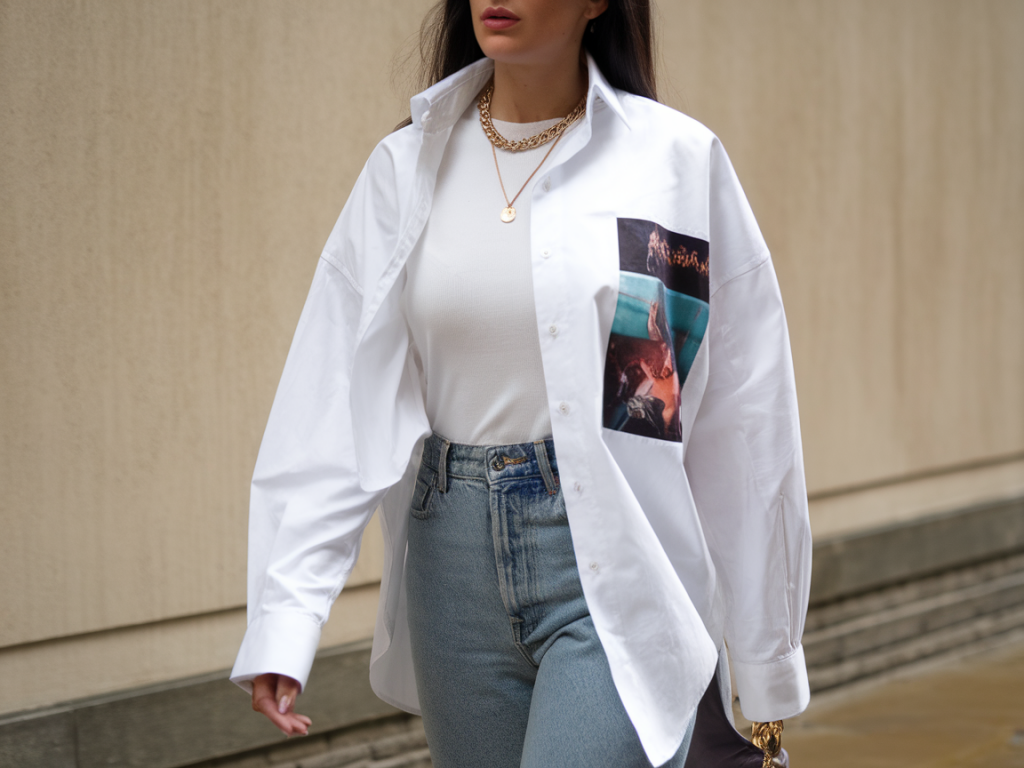
Before you go shopping, analyse the photo and decide which item carries the look. Is it the coat that creates the drama? The printed shirt that injects personality? Once you’ve identified the key piece, you can build the rest around it with simpler, more neutral secondhand finds.
- If the coat is the statement: keep the rest pared back — basic knit, clean jeans, simple boots.
- If the printed shirt is the focus: pair it with a tailored blazer and plain trousers to avoid visual noise.
- If the shoes define the look: find a similar shape and anchor the outfit with matching colours or textures.
Mix textures and eras to make it your own
One of the easiest ways to stop an outfit from feeling like a costume is to mix elements from different decades. I often pair a 90s blazer with a 70s silk scarf and modern trainers. The juxtaposition signals individuality rather than imitation.
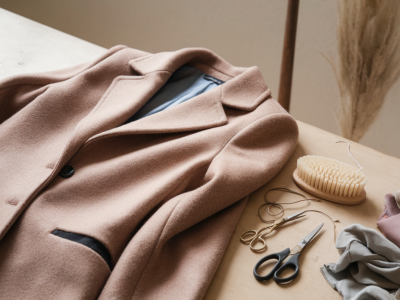
Pay attention to fabric weight and texture. A lightweight polyester blazer will sit differently to a wool one; layer accordingly. If a celebrity look features a boxy wool coat, look for heavyweight fabrics in charity shops — or add structure with shoulder pads or a strong shoulder seam during tailoring.
Use tailoring to elevate charity-shop finds
Fit is everything. I’ve rescued countless oversized shirts and mismatched hems with a skilled tailor — and the cost is almost always worth it. Shorten a too-long sleeve to reveal cuff detail, nip in the waist of a blazer, or taper trousers for a contemporary silhouette.
Small adjustments that make a huge difference:
- Hemming trousers to sit cleanly on shoes
- Taking in the sides of blouses for a slimmer fit
- Add lining or structure to shapeless coats
Steer clear of logos and brand-signals
If the celebrity’s look is defined by absence rather than brand — clean minimalism, for instance — resist the urge to replicate with clearly branded pieces. Logos and designer monograms can read as cheap when paired with random charity-shop items. Choose plain, well-sewn pieces that read as quiet and considered.
Accessories: the finishing touches that sell authenticity
Accessories are where you can really personalise the look. I always carry a small leather belt or a vintage scarf in my bag for last-minute edits. When copying a celebrity street outfit, examine how they accessorise:
- Glasses: subtle changes in frame shape can alter the whole vibe.
- Bags: opt for a structured bag if the celebrity’s look is polished, or a slouchy tote for relaxed street style.
- Jewellery: choose one or two signature pieces rather than layering everything — a simple gold hoop and a slim ring can echo celebrity styling without copying it.
Colour palette: match the mood, not the exact shades
Matching the exact colours from a photo is unnecessary. Capture the mood — monochrome, tonal, or vibrant — and choose shades that flatter you. If a celeb wears camel and cream, you can substitute with warm tan and ivory. The goal is a cohesive palette that feels intentional.
Shop with a mission: what to look for in charity shops
When I thrift for celebrity-inspired looks, I have a short checklist:
- Silhouette match: does it recreate the shape?
- Good condition: avoid irreversible stains or heavy wear
- Quality details: sturdy buttons, neat seams, solid lining
- Alteration potential: will a tailor be able to fix it?
Remember: secondhand stores often hold gems — a classic Burberry trench can appear, but so can a perfectly cut Zara blazer that nails the silhouette. Both can work if styled correctly.
Quick table: celebrity element vs charity-shop substitute
| Celebrity element | Charity-shop substitute |
| Designer trench | Well-cut vintage raincoat, add a belt and polish the buttons |
| Statement shirt (silk) | Flowy blouse or vintage scarf knotted as a shirt |
| Logo loafers | Plain leather loafers in good condition, add a heel insert for shape |
Grooming and attitude — the invisible tailoring
How you wear the clothes completes the look. I pay attention to small styling details: roll the sleeve once for a casual vibe, tuck the front of a shirt for balance, or cuff jeans to reveal ankle and shoe. Hair and makeup should echo the outfit’s energy — effortless bun for a pared-back look, soft waves for a feminine feel.
Confidence is the final piece. Walk as if you planned the outfit — because you did. Own the interpretation rather than aiming for an exact replica.
Keep it sustainable: repair, repurpose, and cherish
Finally, remind yourself that the point of copying a celebrity street outfit using charity-shop finds is to create something lasting and loved. Mend small flaws, re-hem, replace buttons, and consider dyeing faded items for a refreshed finish. These little acts of care extend the life of garments and make the outfit genuinely yours.
If you want more practical step-by-step recreations, I often share thrift-edit posts and outfit breakdowns over at Style Directions — where I turn celebrity inspiration into realistic, sustainable outfits for real life.