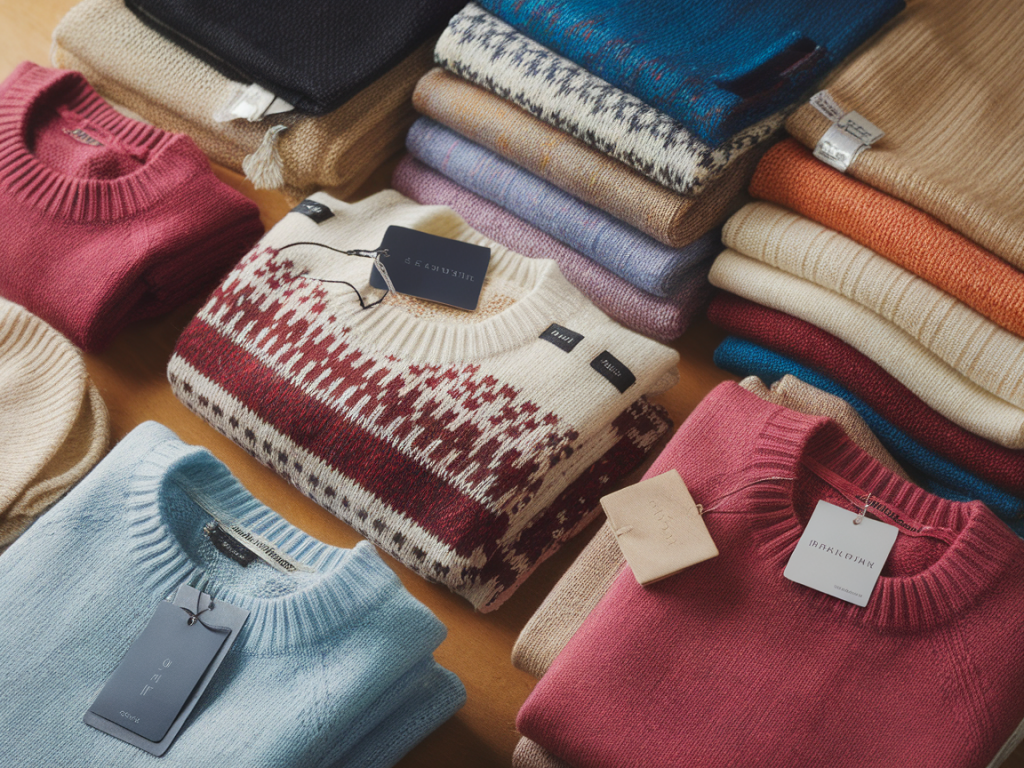
I’m on a mission to make knitwear effortless and long-lasting — especially the lightweight pieces I reach for when I want comfort without bulk. Over the years I’ve tested dozens of sweaters, tops and cardigans in real life (yes, that includes office days, coffee runs and chasing the dog across muddy parks) and one irritation kept coming back: pilling. That little fuzzball problem can make even a lovely knit look tired within weeks, so I’ve learned which lightweight fabrics genuinely resist pilling, which brands get it right, and how to care for the pieces you love so they stay wearable for seasons.
Why some lightweight knits pill and others don’t
Pilling happens when short fibres loosen from the yarn and form little balls on the surface. That’s most common in knits that use shorter staple fibres (think regular cotton or poor-quality synthetics) and in fabrics with looser constructions. Two things reduce pilling: long-staple fibres and tighter, finer knit constructions. So lightweight doesn’t automatically mean prone to pilling — it’s about the fibre and how the garment is made.
Lightweight knit fabrics that rarely pill
Here are the fabrics I recommend when you want something light, soft and resistant to pilling. I include the practical benefits so you know why I reach for each one.
- Extra-fine Merino wool — Smooth, breathable and naturally odor-resistant. Fine Merino (18–19.5 micron) tends to resist pilling better than coarser wools. I swear by thin Merino knits for travel layers.
- Long-staple cotton (Pima, Supima) — These cottons have longer fibres, which means fewer loose ends and less pilling. Lightweight Pima tees and thin sweaters are comfortable and wash well.
- Tencel (lyocell) and modal — Made from wood pulp, these fibres are smooth and drape beautifully. They’re less prone to pilling than standard viscose and feel cool against the skin.
- Silk blends — Pure silk can be delicate, but silk blended with Merino or fine cotton creates a lightweight, low-pilling knit with a subtle sheen.
- High-quality cashmere (longer fibres or “grade A”) — Cashmere can pill if made from shorter fibres or poor processing. Look for brands that specify fibre grade and source; higher-grade cashmere pilling is much reduced.
- Polyester/nylon blends with high-density knit — Modern microfibres can be engineered to resist pilling if blended and knitted properly. Avoid cheap, loosely knitted synthetic sweaters.
Brands and pieces I trust
These are brands I’ve tried and tested — they consistently make lightweight knits with good anti-pilling performance. Price points vary, but I prefer a few thoughtful pieces over many cheap ones.
- Uniqlo — Their Extra Fine Merino collection is a wardrobe staple: lightweight, slim, and surprisingly durable if you follow care instructions.
- Everlane — Look for their long-staple cotton and refined cashmere pieces. Everlane’s lightweight sweaters are practical and, in my experience, hold up well to everyday wear.
- Naadam — Excellent for responsibly sourced cashmere; their lightweight cashmere tends to have less pilling thanks to better fibre selection and finishing.
- Arket — Good selection of fine Merino and silk-blend knits with clean finishes and tighter constructions that resist bobbling.
- Cos — More design-forward, with heavier emphasis on knit quality and construction; their lightweight knits often have a refined feel and less pilling.
- John Smedley — A heritage brand for fine-gauge Merino and Sea Island cotton blends. Pricey but long-lasting, and knit density is excellent for low pill formation.
How to spot low-pilling knits when shopping
When I’m in a shop (or inspecting an online photo with good zoom), I check for these signals:
- Fabric composition — Prefer long-staple cotton (Pima/Supima), extra-fine Merino, Tencel, silk blends, or higher-grade cashmere.
- Knitting gauge — Finer gauge (more stitches per inch) usually means tighter construction and fewer loose fibres.
- Finishing details — Look for terms like “singeing,” “enzyme wash” or “anti-pilling finish.” These processes remove surface fibres and reduce early pilling.
- Close-up of seams and trims — Clean seams and well-finished edges indicate better overall manufacturing quality.
- Brand transparency — Brands that list fibre origins, micron counts for cashmere, or production techniques are more likely to produce durable knits.
Care tips to prevent pilling
Even the best knits need a little love. These are my everyday rules — follow them and your lightweight pieces will look newer for longer.
- Wash on a gentle cycle or by hand in cool water, or use a delicates bag if using a machine.
- Use a mild, pH-neutral detergent and avoid fabric softeners, which can weaken fibres and encourage pilling.
- Turn garments inside out before washing to reduce abrasion on the surface.
- Lay flat to dry — avoid tumble drying where fibres get constantly rubbed and stressed.
- Store folded rather than hanging delicate knits to prevent stretching and surface wear.
- Address pills early with a fabric shaver or a fine comb — small pills are easier to remove than larger ones.
How I test a knit before I buy
At home I do one simple rub test that you can replicate in a shop: rub a small area of the fabric gently between thumb and forefinger for 10–20 seconds. If fluff quickly appears, it will pill sooner rather than later. For online shopping, I read reviews carefully — shoppers often mention pilling within the first few washes. And I pay attention to return policies: if a knit pills badly in two washes, the ability to return it is a lifesaver.
Pieces worth investing in
For me, the ideal lightweight knit wardrobe includes a slim Merino crew, a silk-blend v-neck, a Pima cotton tee, and one quality cashmere layering piece. These cover most outfit needs — from smart casual to travel — without creating a drawer full of items that bobble after a few wears.
Buying better doesn’t mean buying perfect. Even well-made knits can pill a little over time, but choosing the right fibres, brands and care routine makes all the difference. If you want, tell me what pieces you’re deciding between and I’ll help you pick the one that will survive daily life and still look elegant after months of wear.