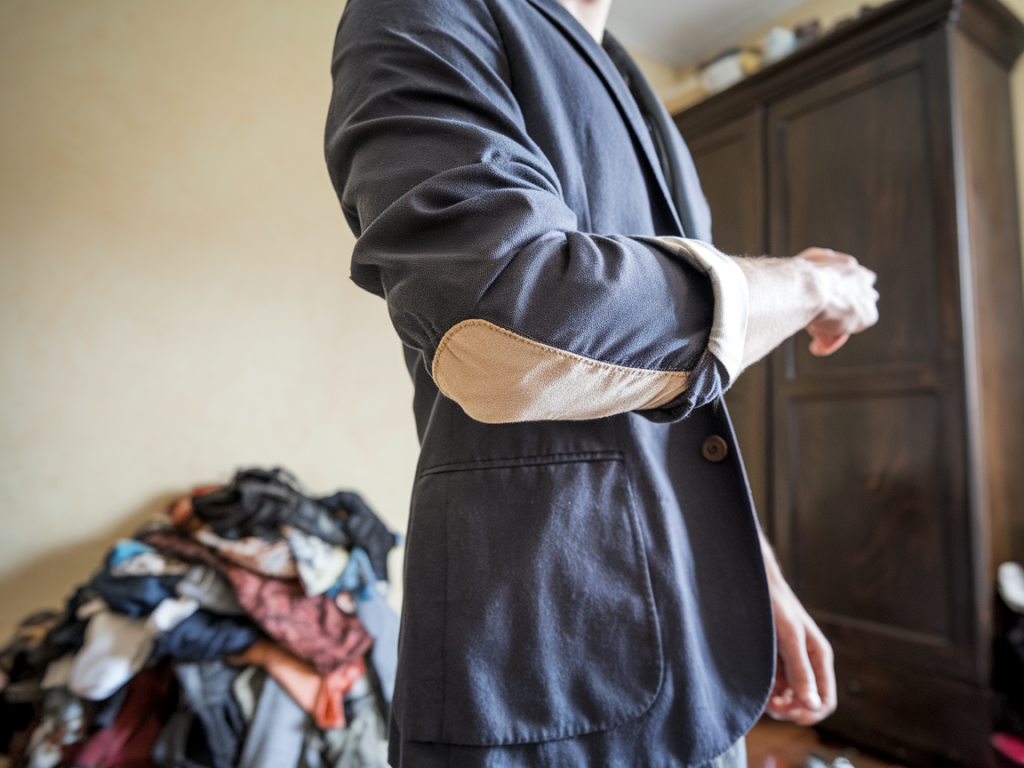
I remember the exact morning I almost gave up on my favourite blazer. It was a slightly oversized, navy single-breasted number I'd found secondhand years ago — the colour, the fabric and the way it made me feel were all spot on. But after a few months of wearing it, it started to look shapeless on me: a little too boxy at the waist and drowning my frame. I almost donated it. Then I tried a quick tailoring trick that saved the blazer and changed how I approach alterations forever: adding discreet back waist darts to create instant shape. It was fast, inexpensive and completely transformed the silhouette without harming the blazer’s original character.
What exactly are back waist darts and why they work
Back waist darts are small, tapered seams sewn into the lining and outer fabric of a jacket at the waistline. They remove excess fabric and create a subtle hourglass shape, drawing the blazer in at the waist and keeping the shoulders and sleeves untouched. For boxy or slightly oversized blazers, they’re a brilliant way to get a tailored look without major surgery. Because the work is focused at the midline, the lines of the blazer remain balanced and the shoulder pads, lapels and sleeve length are preserved.
Why I chose this quick trick
In my experience, the checklist that pushed me to choose back waist darts was simple:
Low risk: no need to alter shoulders or move seams that affect the blazer’s proportions drastically.Quick turnaround: the work is small and often completed the same day or within 48 hours.Budget-friendly: far cheaper than a full reconstruction or bespoke remake.Reversible-ish: a good tailor will sew the darts so they’re tidy and, if needed, can be let out later (depending on lining).The process, step-by-step (what happened when I took it in)
Here’s how my tailor approached it — and what to expect if you try the same:
First fitting: we put the blazer on and pinned the excess fabric at the back while I stood naturally. The tailor marked two parallel darts on either side of the centre back, roughly between shoulder blades and waist depending on the jacket cut.Checking the lining: important — the tailor checked the lining to ensure it could be adjusted in the same place. If the lining is stiff or fully fused, that can complicate matters.Sewing the darts: the tailor sewed through both the lining and outer fabric with small, neat stitches. When possible, they used a thread that matched the inside for discretion.Pressing: a careful press flattened the darts and polished the blazer’s lines.Final fitting and tweaks: I tried it on again; sometimes the tailor will trim a few millimetres or adjust the taper for perfect balance.How long it takes and what it costs (UK context)
One reason I recommend this fix is the turnaround. Many local alteration shops or independent tailors can do back waist darts in an hour or a few hours while you wait, or within 24–48 hours if you drop the blazer off.
Prices vary by location and complexity, but to give realistic UK figures:
Simple back waist darts (per blazer): typically between £20–£45.If the lining needs replacing or the work is trickier: £45–£90.Express service or high-street tailoring in central London can push prices higher; community shops and independent seamstresses tend to be more reasonable.What to tell your tailor — phrase it simply
If you’re nervous about explaining what you want, here are a few clear prompts you can use:
“Can you add discreet waist darts at the back to take this blazer in a little?”“I’d like the blazer to feel more tailored at the waist but keep the shoulders and sleeves as they are.”“Please check the lining and make the darts neat so they’re not visible from the outside.”Bring the blazer buttoned (or as you usually wear it) and wear a top similar to what you usually pair with the blazer; that helps the tailor judge the fit.
When back waist darts aren’t the right fix
There are times this trick won’t work or isn’t advisable:
Heavily structured or fully unpickable tailoring: if the blazer has horsehair canvas construction and dramatic shoulder pads, altering the midline might distort the intended shape.Delicate or patterned linings that won’t take stitches cleanly.You need massive sizing changes: if the blazer is multiple sizes too big, you might need a more extensive rework or to consider selling/gifting and finding a better fit.Quick alternatives if you can’t or don’t want to tailor
Sometimes you need a fast hack — here are a few go-to options I use when I don’t have time to visit a tailor:
Sash or slim belt over the blazer to cinch the waist (works best with single-breasted styles).Blazer clip or fashion hook at the inside waist to pull the fabric together discreetly.Temporary stitching (basting) or a safety-pin trick inside the lining for short-term wear.Layer with structured pieces underneath (a fitted jumper or corset-style top) to create shape without altering the blazer.Where to get it done locally — practical ways to find a trusted tailor
“Where do I take this?” is the question I hear most. I’m based in the UK, and my advice is to prioritise quality and clear communication over the cheapest price. Here are the best ways to find a local person who’ll do the job well:
Independent alteration shops: these are often run by experienced seamstresses. They usually offer quick turnarounds at fair prices.Dry cleaners with alteration services: many high-street cleaners provide basic alterations, and some subcontract to local tailors.Alteration specialists near shopping areas: look for “tailor” or “alterations” on Google Maps, then read reviews and photos.Local Facebook or Nextdoor groups: real recommendations from neighbours are invaluable — I’ve found my best tailors through community groups.Instagram searches: try hashtags like #alterationsLondon, #tailoringManchester or #seamstressUK + your town to find small businesses showing before/after photos.Fashion schools: students on training courses often take on alterations affordably and carefully — a good option for straightforward tasks.How I picked mine
For my blazer I chose a small alteration shop two streets from my flat. I’d seen a recommendation in a neighbourhood Facebook group and checked photos on their Instagram. They were helpful on the phone, quoted around £30 for the darts, and promised a 48-hour turnaround. The work was neat — you could only see the darts if you looked closely inside the jacket — and the shape was exactly what I wanted. It felt like a little tailoring miracle: the same blazer, but finally flattering.
Aftercare — keep that blazer looking great
Once the darts are in, small gestures help preserve the shape and neatness:
Store on a shaped wooden or padded hanger to keep the shoulders strong.Avoid overstuffing your wardrobe; give the blazer breathing space so darts don’t creep.Have a gentle steam rather than a full iron for quick freshening; steam also helps sit those darts smoothly.If you ever want the original boxy look back, keep alterations receipts and ask the tailor about letting the darts out — depending on construction, it’s sometimes possible.If you’ve got a blazer in your wardrobe that feels almost-right, try this trick before you let it go. For many pieces, small tailoring adjustments are the unsung heroes of a well-loved wardrobe — and they’re kinder to your wallet and the planet than constantly buying new. If you’d like, tell me about your blazer (fabric, lining, where it gaps) and I’ll help you choose whether darts are the right fix or suggest another quick alteration that’ll save it.