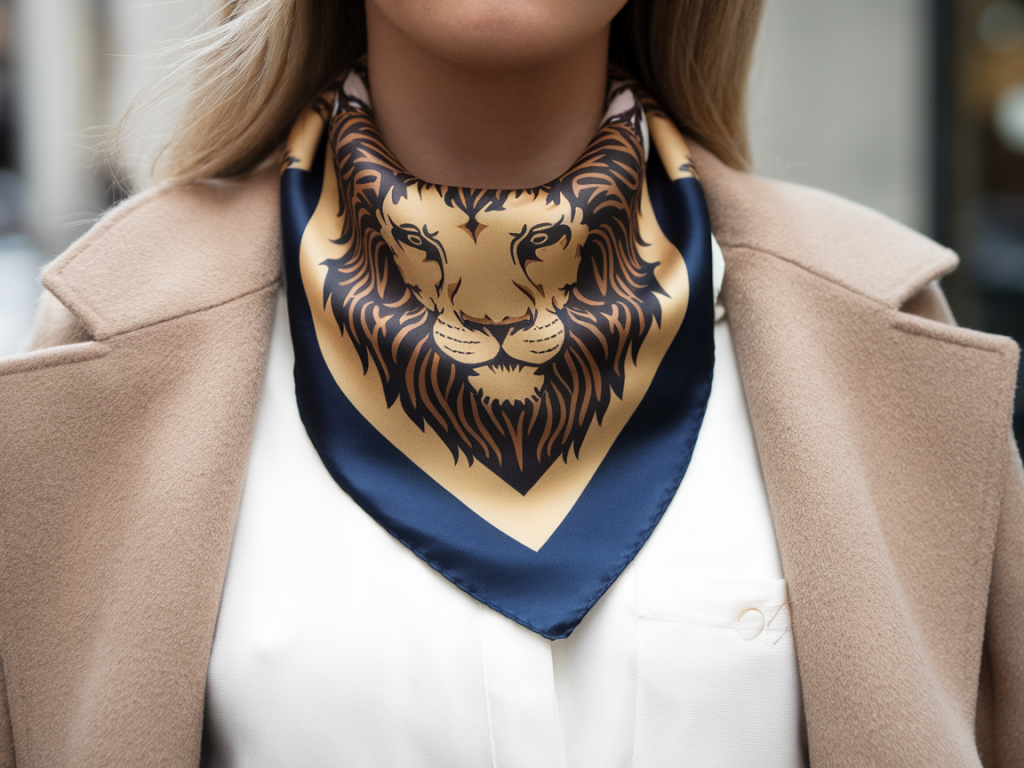
I always travel light where possible, and one of my favourite packing tricks is bringing a single statement scarf that does at least three jobs. A well-chosen scarf can replace a blazer, a necklace and a blanket — which means one less item in your suitcase and more space for the things you actually want to buy abroad. Below I share how I pick the right scarf, three fail-safe ways to use it while travelling, and a few quick styling steps you can memorise so you never stare at your suitcase in a panic again.
How I choose a statement travel scarf
Not all scarves are created equal for triple-duty use. When I’m shopping for a travel-friendly statement piece I look for:
Size: A large square (around 90cm–110cm) or an oversize rectangle is the most versatile — you can wear it as a wrap, tie it as a belt, or use it as a headscarf.Material: Lightweight wool, cashmere blends or high-quality viscose are my favourites. They’re warm enough to act as a layer, drape beautifully for styling, and pack without looking creased. Avoid super-thin silk if you want warmth, but keep silk for a dressier, compact option.Print and colour: Pick a statement print or a bold colour that complements multiple outfits. I often choose a pattern with at least one neutral base (navy, camel, black) so it anchors different looks, while the colour pops keep things interesting.Finish: Look for neat hems and a durable weave. A scarf with a little weight and a clean finish will hold knots and shapes better — essential when using it for more than one purpose.Triple-duty uses that actually work
Here are three practical, stylish ways I use one scarf on trips. Each role saves room and keeps outfits polished.
The outfit elevater: neckwear or shawl
I almost always start by wearing the scarf around my neck on travel day. It’s the quickest way to make a simple jeans-and-tee combo look purposeful and put-together.
Quick knots I use: the Parisian knot (folded in half, loop through), the loose drape (great with coats), and a soft choker knot (perfect under a collar).For evenings, a large scarf becomes a shawl draped over shoulders — far more elegant than a bulky cardigan. When I go to a restaurant or museum with unpredictable heating, this single piece often replaces a coat or blazer.
The style swap: belt, bag accent or top
Using a scarf as an accessory is where the magic happens: one piece becomes multiple visual focal points.
As a belt: Fold the scarf lengthwise until it forms a long band, wrap around high-waist jeans or a midi skirt and knot slightly off-centre. It cinches the waist and adds a splash of pattern without a bulky belt taking up space.As a bag strap or decoration: I thread a scarf through my tote’s handle or tie a bow on a crossbody bag. It refreshes an old bag and instantly reads luxe.As a top: On hot days I’ll convert a square scarf into a halter top or bandeau for beach dinners. There are loads of simple tutorials — I tend to tuck the ends into high-waist trousers for a secure, grown-up shape.The practical lifesaver: wrap, pillow, or headscarf
A travel scarf also has functional uses that make journeys easier.
Light blanket: On planes or chilly ferries I use it as a compact throw. A larger scarf is thin and warm enough to substitute for a travel blanket without becoming bulky.Pillow: Roll it up and use it as neck support. It packs flat and doubles as a cosy accessory at your destination.Headscarf/face cover: In windy or sunny climates I tie it as a headband, full headscarf, or even as a quick face cover on dusty walks.Easy styling cheats to memorise
Here are simple steps to transform your scarf into each of the three roles — memorise them and you’ll never overpack.
Shawl: Fold the scarf in half diagonally to create a triangle. Drape the long edge over your shoulders and cross the tips at the back, then bring them back to the front and tie a small knot under the bust or leave loose.Belt: Fold to a long, narrow band. Loop through belt loops and tie a secure square knot. Tuck ends for a neater finish.Halter top: Fold into a triangle, take the long edge and tie behind your neck. Pull the two remaining points around your back and knot. Tuck into trousers or a skirt for extra hold.Packing tips so your scarf stays pristine
To keep your statement scarf fresh and crease-free in a small bag, follow these habits I swear by:
Roll, don’t fold — rolling reduces creases and saves space. I roll scarves and tuck them in gaps in my suitcase.Pack the scarf closest to the top of your bag so you can grab it quickly during transit without rummaging.Use a garment bag or tissue paper inside if it’s delicate silk to prevent snags.Bring a small fabric spray (light linen spray or a travel-friendly wrinkle releaser) — I spritz and smooth with my hands when I need a quick refresh.Brands and pieces I recommend
I’ve found some brands make especially travel-friendly scarves. A few I reach for:
A.P.C. and COS: Often offer large, minimal scarves in weighty materials that work as wraps and belts.Johnstons of Elgin or Acne Studios: For a splurge, their cashmere pieces are lightweight yet warm and pack beautifully.Liberty London: If you want a bold print that lifts everything in your capsule wardrobe.Of course, high-street finds from Uniqlo or Zara can do the job perfectly — especially if you’re building a low-cost travel capsule.
Care and maintenance on the road
I always carry a tiny sewing kit and a neutral-coloured safety pin — small emergencies when a scarf frays or a knot loosens. For washing, check the label: most wool and cashmere scarves can be spot-cleaned or hand-washed in cool water. Lay flat to dry on a towel to keep the shape.
One final practical tip: treat your scarf like jewellery. It’s a deliberate, visible piece that lifts an outfit, so choose one that feels like you. When you love a statement scarf, you’ll find endless ways to wear it — and you’ll be pleasantly surprised how often that single item replaces a jacket, a bag accessory and a necklace combined.